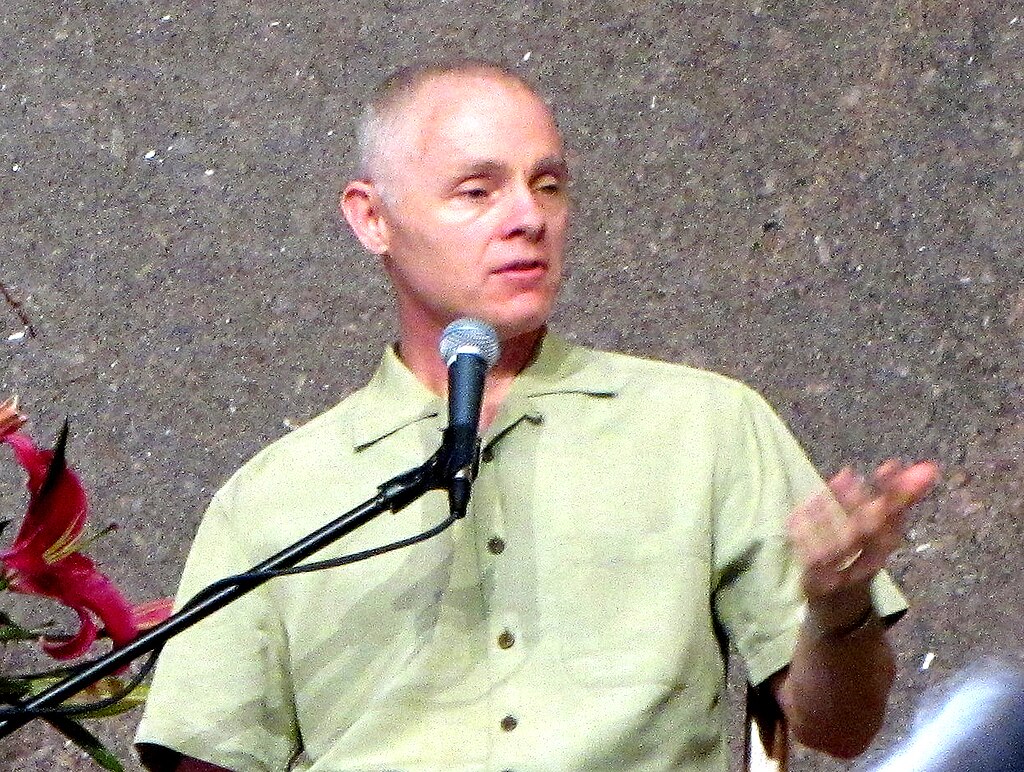
The Embodiment of Truth: A Journey Within
Adyashanti's assertion, "There is no way to truth other than to be truth," invites us to explore the profound relationship between our essence and the nature of truth itself. This statement challenges the conventional understanding of truth as an abstract concept, suggesting instead that truth is not merely something to be sought or understood intellectually, but something to be lived and embodied. The stakes are high; in a world rife with misinformation and superficiality, the call to be truth becomes a radical act of authenticity and presence.
To delve deeper, we must recognize that this quote speaks to the heart of our spiritual journey. It suggests that the path to truth is not a linear pursuit of knowledge or belief but an invitation to align our very being with the essence of truth. This alignment requires a profound transformation, one that transcends the dualities of thought and perception. It beckons us to shed the layers of conditioning and to embrace a state of being that resonates with the deepest truths of existence.
The image / the metaphor
At first glance, Adyashanti's words evoke a sense of immediacy and intimacy with truth. The phrase "to be truth" conjures an image of embodiment, where truth is not an external entity to be grasped but a living reality that flows through us. The verbs chosen—"to be"—suggest a state of existence rather than a mere action, emphasizing the importance of presence and authenticity in our quest for understanding. This imagery invites us to consider how our very existence can serve as a vessel for truth, illuminating the world around us.
Diving deeper into the metaphor, we find that "being truth" implies a surrender to the essence of who we are, stripped of pretense and artifice. It evokes the idea of a river flowing effortlessly, where the water is both the journey and the destination. In this sense, truth is not a destination to be reached but a continuous unfolding of our authentic selves. The metaphor of embodiment suggests that our lives, thoughts, and actions can harmonize with the universal truths that govern existence, creating a resonance that transcends the limitations of language and intellect.
In the speaker's tradition
Adyashanti's teachings are deeply rooted in the non-dual tradition, which emphasizes the interconnectedness of all beings and the illusion of separation. Concepts such as *sunyata* (emptiness) and *fana* (annihilation of the self) resonate with the idea that to be truth, one must let go of the ego's grasp on identity. This path invites practitioners to recognize that the essence of truth lies beyond the dualities of self and other, inviting a profound realization of unity with all that is. In this context, truth is not an isolated concept but a dynamic interplay of existence itself.
In his work, Adyashanti often references the notion of *kenosis*, or self-emptying, which aligns beautifully with the idea of embodying truth. By relinquishing our attachments to preconceived notions and identities, we create space for the authentic self to emerge. This aligns with the teachings found in various spiritual texts, such as the *Tao Te Ching*, which speaks to the wisdom of yielding and embracing the natural flow of life. Both traditions emphasize that the path to truth is not about accumulation but about the graceful surrender to what is.
Living the teaching
Consider a modern scenario where this teaching might resonate: a workplace filled with competition and ambition. In such an environment, the pressure to conform to expectations can lead individuals to wear masks, presenting a version of themselves that may not reflect their true essence. By embodying truth in this context, one might choose to act with integrity, prioritizing authenticity over the superficial pursuit of success. This choice can create a ripple effect, inspiring others to shed their facades and engage in more genuine interactions.
Another application of this teaching can be found in personal relationships, particularly during moments of conflict. When faced with a disagreement, the instinct may be to defend one's position or to seek validation. However, embodying truth in such a moment invites us to listen deeply, to be vulnerable, and to express our feelings honestly without the need for justification. This practice fosters a deeper connection, allowing both parties to engage from a place of authenticity rather than ego, ultimately leading to resolution and understanding.
A reflection
As we contemplate Adyashanti's profound statement, we are invited to reflect on our own relationship with truth. How can we begin to embody truth in our daily lives, moving beyond mere intellectual understanding to a lived experience of authenticity? In what ways might our fears or attachments hinder us from being the truth we seek? This contemplation invites us to explore the depths of our being, encouraging a journey toward a more truthful existence.



Join the BrightStar Community
Stay connected with daily inspiration, event announcements, and community wisdom