The Essence of Knowing: Beyond the Known
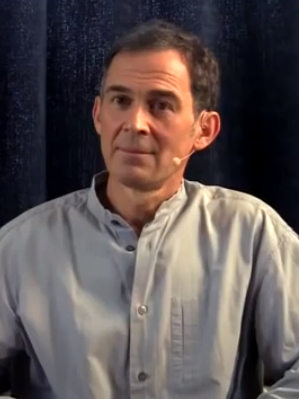
Rupert Spira's assertion, "Whatever can be known is not what you are. You are the knowing of it," invites us to explore the profound distinction between our essence and the objects of our awareness. This statement challenges the conventional understanding of identity, urging us to recognize that our true nature transcends the myriad of thoughts, feelings, and experiences that we often mistakenly identify as ourselves. In a world increasingly defined by external validations and material achievements, this insight serves as a crucial reminder of the deeper, unchanging aspect of our being.
As we delve into this quote, we uncover layers of meaning that speak to the heart of non-dual philosophy. The essence of who we are is not found in the transient phenomena of life but in the awareness that perceives them. This distinction is not merely intellectual; it has the power to transform our understanding of existence and our place within it. By recognizing ourselves as the knowing, we can begin to disentangle our identities from the ever-changing landscape of our experiences, leading to a more profound sense of peace and fulfillment.
The image / the metaphor
The imagery in Spira's quote is rich and evocative, suggesting a duality between the known and the knower. The phrase "whatever can be known" encompasses all that we typically associate with identity—our thoughts, emotions, and even our physical bodies. In contrast, "you are the knowing of it" positions us as the conscious awareness that observes these phenomena. This shift in perspective is not merely semantic; it invites a felt sense of liberation from the confines of a limited self-concept, allowing us to embrace a more expansive understanding of our existence.
In the speaker's tradition
Rupert Spira's teachings are deeply rooted in the non-dual tradition, which emphasizes the unity of consciousness and the illusory nature of separation. Concepts such as dharma, or the inherent nature of reality, and sunyata, the emptiness of all phenomena, resonate with the essence of Spira's quote. In this context, knowing is not merely an intellectual exercise but a direct experience of our true nature, which is beyond the confines of thought and perception. This understanding aligns with the teachings of various spiritual traditions that point to the importance of recognizing our essence as pure awareness.
In texts such as the Upanishads, we find echoes of this teaching, particularly in the famous declaration "Tat Tvam Asi," or "That Thou Art." This phrase encapsulates the essence of non-duality, affirming that our true self is not separate from the ultimate reality. By situating Spira's quote within this broader spiritual framework, we can appreciate the depth of his insight and its implications for our understanding of identity and existence.
Living the teaching
Consider a modern scenario where this teaching can be applied: a moment of frustration at work. When faced with a challenging project or a difficult colleague, it is easy to become entangled in the emotions and thoughts that arise. However, by remembering Spira's words, we can step back and recognize that we are not merely the frustration or the stress; we are the awareness that observes these feelings. This shift allows us to respond with clarity and composure, rather than reacting impulsively from a place of identification with our emotions.
In relationships, this teaching can also offer profound insights. Imagine a conflict with a loved one, where misunderstandings and hurt feelings cloud the connection. By embracing the idea that we are the knowing of our experiences, we can approach the situation with greater compassion and understanding. Instead of being consumed by our perspectives, we can cultivate a space of awareness that allows us to listen deeply and respond from a place of love rather than defensiveness. This practice not only enhances our relationships but also deepens our understanding of ourselves and others.
A reflection
As we contemplate Spira's profound statement, we are invited to ask ourselves: "In what ways do I identify with the known, and how might my life change if I embraced the knowing instead?" This question encourages a deep exploration of our identities and the narratives we construct around them. By reflecting on this inquiry, we can begin to peel away the layers of conditioning that obscure our true essence, leading us toward a more authentic and liberated way of being.

Join the BrightStar Community
Stay connected with daily inspiration, event announcements, and community wisdom