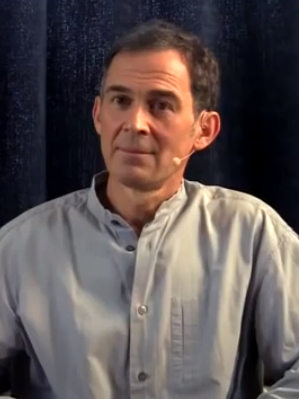
Embracing the Essence: The Body Within
Rupert Spira's profound assertion, "You are not in your body. Your body is in you," invites us to reconsider the very nature of our identity and existence. This statement challenges the conventional understanding of the self as merely a physical entity, suggesting instead that our true essence transcends the limitations of the body. By recognizing that our body is a manifestation within the larger context of our consciousness, we open ourselves to a deeper exploration of what it means to be alive and aware.
In a world often preoccupied with physicality and material existence, Spira's words serve as a gentle reminder of the non-dual perspective that emphasizes unity over separation. This perspective encourages us to look beyond the surface of our physical form and to engage with the deeper layers of our being. By doing so, we can cultivate a more profound understanding of ourselves and our relationship with the world around us, ultimately leading to a more fulfilling and harmonious existence.
The image / the metaphor
The imagery in Spira's quote evokes a sense of containment and spaciousness. When he states that "your body is in you," it suggests that the body is not the entirety of who we are, but rather a vessel that exists within the expansive realm of our consciousness. This notion of containment implies that our true self is vast and boundless, while the physical body is a temporary and limited expression of that self. The verbs chosen—"are" and "is"—further emphasize the distinction between the essence of being and the physical form, inviting us to explore the relationship between the two.
In the speaker's tradition
Rupert Spira's teachings are deeply rooted in the non-dual tradition, which emphasizes the interconnectedness of all existence. Concepts such as *sunyata* (emptiness) and *fana* (annihilation of the self) resonate with Spira's assertion, as they encourage us to transcend the illusion of separateness and recognize the underlying unity of all things. This perspective aligns with the idea of *kenosis*, or self-emptying, which invites us to let go of our attachment to the physical self in order to experience the fullness of our true nature.
In texts such as the *Upanishads*, we find similar sentiments expressed through the exploration of the relationship between the individual self (Atman) and the universal self (Brahman). The *Upanishads* teach that the realization of this unity leads to liberation and enlightenment, echoing Spira's invitation to recognize that our body is but a temporary manifestation of our eternal consciousness. This connection to ancient wisdom underscores the timeless relevance of Spira's teachings and their place within the broader tapestry of spiritual understanding.
Living the teaching
Consider a modern scenario where this teaching can be applied: a busy professional feeling overwhelmed by the demands of work and life. In moments of stress, it is easy to become identified solely with the body, feeling trapped within the confines of exhaustion and anxiety. However, by embracing Spira's perspective, this individual can take a step back and recognize that their essence is not limited to their physical state. Through practices such as mindfulness or meditation, they can reconnect with the expansive nature of their consciousness, allowing them to navigate challenges with greater ease and clarity.
In the context of relationships, this teaching can also provide profound insights. Imagine a situation where misunderstandings arise between partners, leading to feelings of separation and conflict. By remembering that their bodies are merely vessels for their deeper selves, both individuals can approach the situation with compassion and understanding. This awareness fosters a sense of connection that transcends the physical disagreements, allowing for healing and reconciliation. In daily practice, cultivating this awareness can transform how we engage with ourselves and others, leading to more harmonious interactions and deeper connections.
A reflection
As we contemplate Spira's words, we are invited to explore the question: "What does it mean to recognize that my body is a part of my greater self?" This inquiry encourages us to reflect on our relationship with our physical form and the ways in which we may identify too closely with it. By engaging with this question, we can begin to uncover the layers of our being and discover the profound interconnectedness that lies at the heart of our existence.



Join the BrightStar Community
Stay connected with daily inspiration, event announcements, and community wisdom